
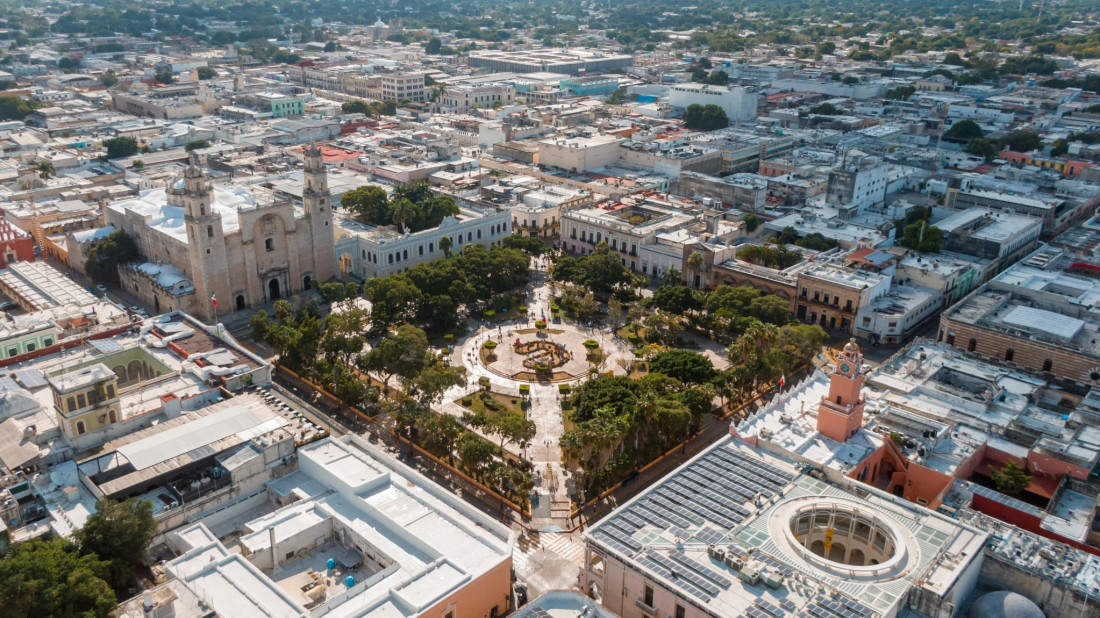
Mérida and Paris may sit an ocean apart, but their stories intertwine in unexpected and beautiful ways. This Mérida and Paris historical connection has shaped the city’s architecture, identity, and cultural personality, and it’s one of the reasons Mérida is often considered the most elegant city in México. This article explores why Mérida is famous, what makes it special, and how its unlikely bond with Paris still defines the city today.
Why Is Mérida, Mexico Famous?
Mérida is best known as the cultural capital of the Yucatán Peninsula, a city where Maya heritage, colonial history, and European influence blend seamlessly.
Its fame comes from several factors:
- Extraordinary colonial and French-inspired architecture
- Its vibrant, safe, and cosmopolitan lifestyle
- Deep Maya cultural roots
- A flourishing culinary scene
Proximity to archaeological sites, cenotes, and haciendas Mérida’s golden era came during the late 19th and early 20th centuries, when the henequén (sisal) industry made Yucatán one of the wealthiest regions in the world. Wealthy hacienda owners travelled frequently to Europe (particularly Paris), bringing back fashions, design, and architectural styles that transformed Mérida forever.
The Mérida and Paris Historical Connection
The relationship between Mérida and Paris is rooted in aspiration, culture, and transatlantic exchange. During the henequén boom, Mérida’s elite looked to Paris as the centre of art, architecture, and modern life. This led to:
- French-inspired mansions along Paseo Montejo
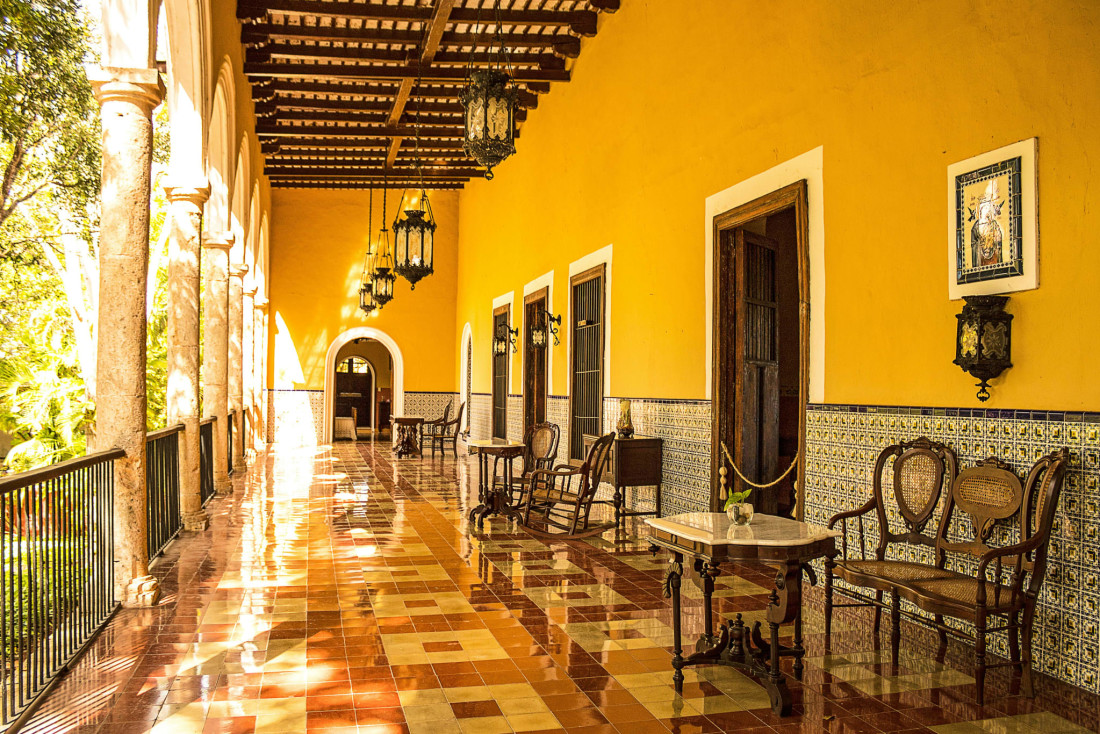
- Parisian-style ironwork balconies and interior courtyards
- European urban planning concepts
- French-imported furniture, lamps, textiles, and decor
Even today, a walk through Mérida Centro feels like stepping into a tropical echo of Belle Époque Europe.
What Makes Mérida Special?
While Mérida’s beauty is undeniable, what truly makes it special is its cultural duality, a blend of Maya soul and French-influenced elegance.
You’ll see this in:
- Its music and dance traditions
- Its cuisine, shaped by ancient Maya ingredients
- Its architecture, influenced by Paris yet grounded in Yucatecan materials
- Its hospitality culture, warm, slow, and deeply local
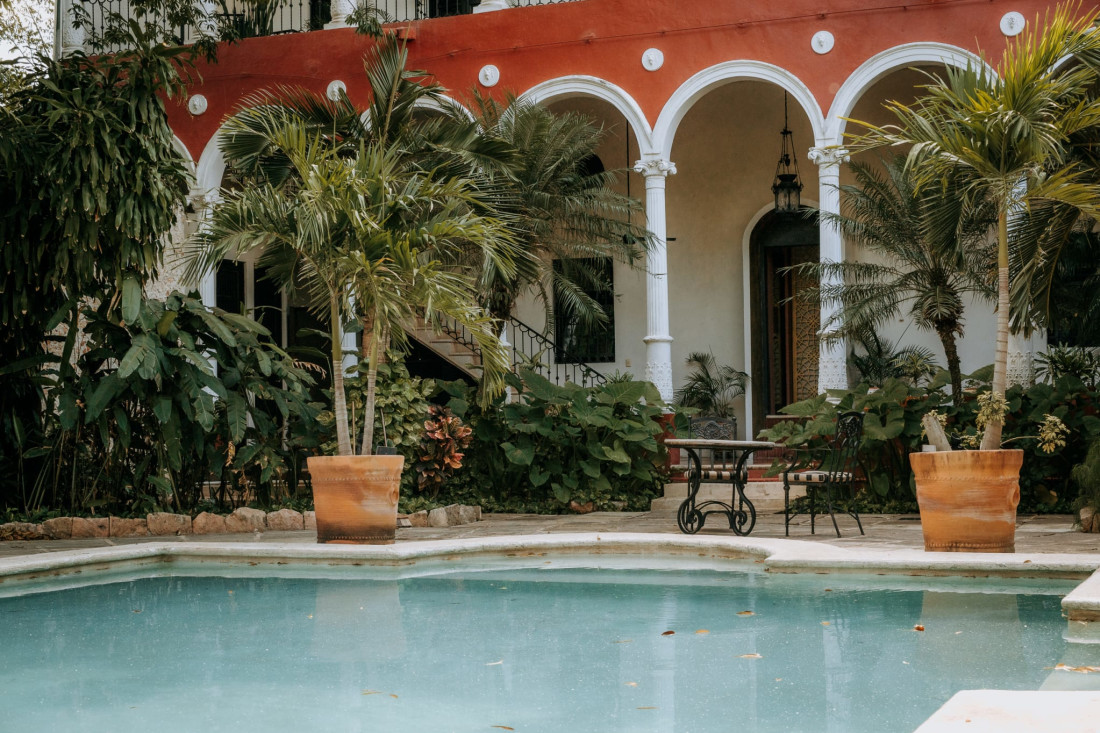
This fusion is also what defines Villa Merida Boutique Hotel, a restored mansion that mirrors this historical blend with its French-influenced facade and Yucatecan identity woven throughout the property.
Local Insights: Where Mérida and Paris Meet
Paseo Montejo is the most iconic example of Mérida’s Parisian inspiration. Modelled loosely after the Champs-Élysées, it features wide boulevards, tree-lined sidewalks, and grand mansions such as:
- Casa Museo Quinta Montes Molina
- Palacio Cantón
But unlike Paris, Mérida blends this elegance with Maya stonework, tropical gardens, and brightly colored facades that bring the architecture to life in the Yucatán sun.
Culture & Daily Life And A Distinct Rhythm
While French influence shaped style and architecture, Mérida’s cultural pulse remains deeply Maya. The city’s traditions are rooted in:
- Yucatecan music (Trova)
- Local cuisine (cochinita pibil, sopa de lima, papadzules)
- Community festivals
- Traditional dress
Mérida’s residents honour these traditions daily, creating a city that feels elegant yet down-to-earth, a perfect balance of refinement and authenticity.
Culinary Influences; French Technique, Yucatecan Flavours
Some of Mérida’s historic haciendas incorporated French techniques into their kitchens, pastries, breadmaking, and presentation styles, which subtly influenced local gastronomy.
Today, Mérida’s culinary scene is experiencing a renaissance. Many restaurants mix local ingredients like achiote, sour orange, and chaya with global techniques, creating a contemporary Yucatecan cuisine that rivals major culinary capitals.
Lifestyle & Hospitality
Mérida’s modern-day connection to Paris also lives in its refined hospitality culture. Boutique hotels, restored casonas, and intimate properties pay homage to both history and design.
Villa Merida Boutique Hotel is one of these spaces, a restored residence that reflects the city’s European influence while immersing guests in Yucatán’s warm, slow-paced lifestyle.
FAQ: Understanding Mérida’s Cultural Significance
Why is Mérida considered the “White City”?
The nickname comes from its limestone buildings and its reputation as one of the cleanest, safest cities in Mexico.
Is Mérida influenced by European architecture?
Yes. The city’s wealthy families brought back French architectural styles during the henequén boom, leaving a strong Parisian imprint on the city.
What is Mérida best known for today?
Cultural festivals, gastronomy, colonial architecture, and its reputation as one of Mexico’s most livable cities.
Is Mérida safe for travellers?
Mérida is consistently ranked as one of the safest cities in Latin America, making it ideal for solo travellers, couples, and cultural tourism.
Where is the best place to stay in Mérida?
In Mérida Centro, especially in restored boutique hotels like Villa Merida Boutique Hotel, which offer history, tranquillity, and design in one place.
The Mérida and Paris historical connection is one of the city’s most intriguing stories, a reminder of how cultures can influence each other across oceans. Mérida remains special because it blends elegance and authenticity, offering travellers a city that is both historically rich and vividly alive.
And there’s no better way to experience this blend than by staying in a restored Yucatecan mansion that carries the city’s heritage into the present.
Written by Julia Ripo, Villa Merida Boutique Hotel, a 4-star adults-only boutique hotel in Mérida Centro, Yucatán.


