Explore the city of Merida, Mexico
Explore Merida
Merida is the cultural capital of the Yucatan Peninsula and one of Mexico's most livable, walkable, and endlessly fascinating cities. Founded in 1542 on the ruins of the ancient Maya city of T'ho, it wears its history proudly, in its colonial plazas, its crumbling mansion facades, and its markets overflowing with Yucatecan flavours. Whether you are here for the food, the ruins, the creative scene, or simply a slower pace of life, this guide covers everything worth knowing. Villa Merida Boutique Hotel sits on Calle 59, two blocks from Plaza Grande, so everything on this page is practically on your doorstep.
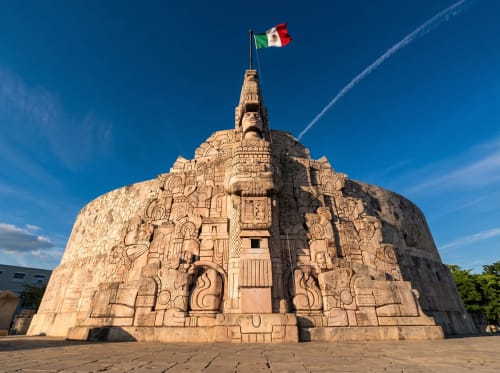
Location & History
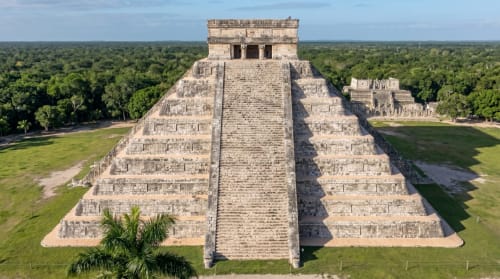
Attractions
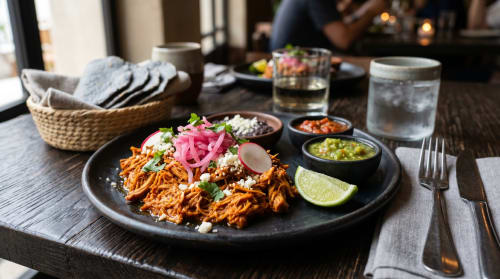
Food & Drink
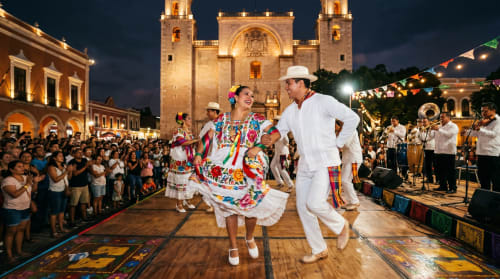
What's Happening
BEST TIME TO VISIT MERIDA
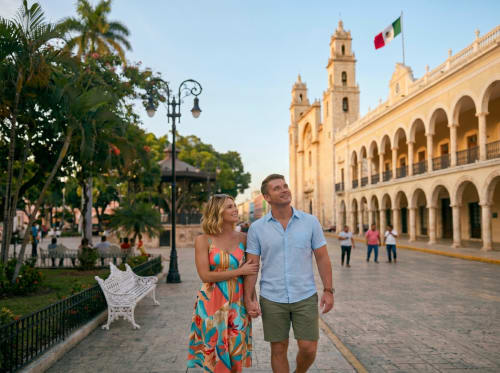
Peak Season
November to February
Temperatures sit between 22°C and 28°C (72°F to 82°F), evenings are genuinely cool and comfortable, and the sun is bright. The city is at its most alive, with the Merida Fest international arts festival in January, Day of the Dead celebrations spilling into November, and a full calendar of outdoor events. Hotel rates are at their highest and availability tightest in December, so book well in advance.
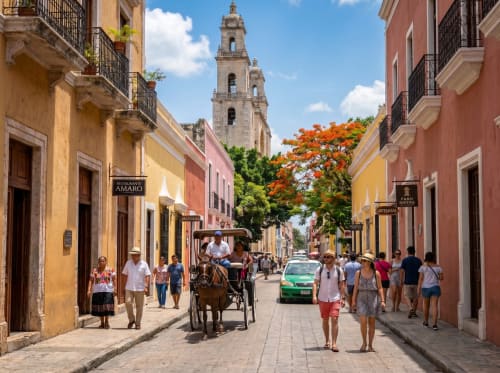
Hot, Quiet & Affordable
March to May
Temperatures reach 35°C to 40°C (95°F to 104°F) by April and May. The city is at its quietest in terms of tourists, hotel rates drop, and locals continue their lives largely unbothered. The cultural programme continues, markets are less crowded, and restaurants are easier to get into.
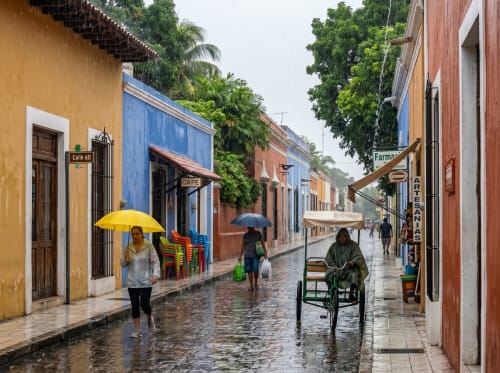
Rainy Season
June to October
Temperatures remain warm at 28°C to 33°C (82°F to 91°F) but the rain provides relief. The Yucatan jungle is at its most lush and green, cenotes are fuller, and the city is at its most atmospheric in the evening light after rain. July and August bring the Noche Mexicana events on Paseo de Montejo. Hurricane risk exists in September and October, though Merida's inland location means it is far better protected than coastal Yucatan.
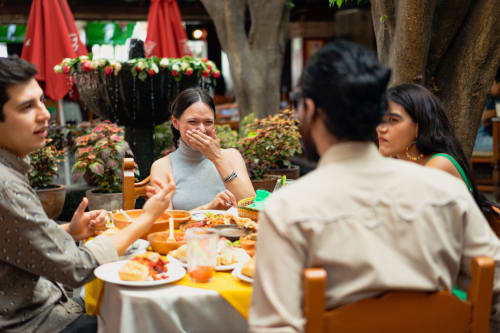
Tips for Exploring Merida
- Merida runs on an early schedule. The best market breakfasts happen before 9 am and the best evening events start around 7 to 8 pm.
- The city uses a grid address system based on odd/even numbered streets. Odd streets run north-south, even streets run east-west. Once you understand this, navigating on foot becomes very intuitive.
- Uber and InDriver both work reliably throughout the city. Taxis use fixed rates but always agree on the fare before getting in.
- Sundays are unmissable. If your stay overlaps with a Sunday, do not plan a day trip, spend the day in the city when Domingo en Merida transforms the streets.
- The heat is real from March onward. Adjust your rhythm: out early, rest between 1 and 4 pm, explore again in the evening.
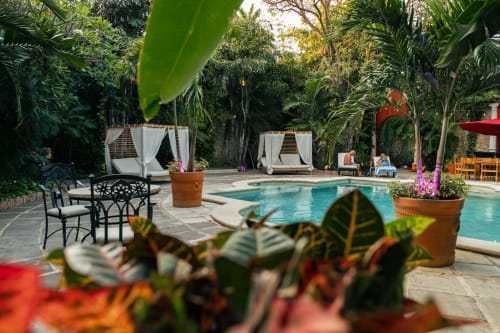
Your base in the heart of Merida
Frequently Asked Questions About Merida
Is Merida safe for tourists?
Yes. Merida holds a US State Department Level 1 safety rating, the highest designation possible, meaning "Exercise Normal Precautions." This is the same rating given to most Western European cities. It is consistently ranked among the safest large cities in Mexico and is home to a large international expat and digital nomad community. The historic centre, where Villa Merida is located, is safe to walk at night. Standard city-awareness applies and you will have no issues.
How many days do you need in Merida?
Three to four nights is the minimum to see the city properly and fit in at least one day trip. Five to seven nights is the sweet spot for most travellers, enough time to explore the city at a relaxed pace, visit Chichen Itza, Uxmal, or Celestun, and still have evenings free to discover the food scene and the free cultural events. Digital nomads and expats routinely stay for weeks or months.
How far is Merida from Cancun?
Merida is approximately 320 km from Cancun airport by road, about a 3.5 to 4 hour drive, or around 4 to 4.5 hours by ADO direct bus (departures nearly every hour from Cancun's bus terminal). Many visitors fly into Cancun and travel directly to Merida, which is an easy and well-established journey. Merida also has its own international airport (Manuel Crescencio Rejon Airport, MID) with direct flights from several US cities including Miami, Dallas, Houston, and Atlanta.
What is Merida famous for?
Merida is famous for its remarkably well-preserved colonial architecture, its distinctive Yucatecan cuisine (one of the most recognized regional cuisines in Mexico), its proximity to Maya ruins including Chichen Itza and Uxmal, its vibrant calendar of free public cultural events, and increasingly, its quality of life as a destination for expats and digital nomads. It is also known as La Ciudad Blanca (the White City) for the limestone used throughout its historic buildings.
Is Merida worth visiting if I am already going to Cancun or Tulum?
Absolutely. Merida offers something fundamentally different from the Riviera Maya beach resorts. It is a living Mexican city with a genuine cultural identity, centuries of history, and a food scene that most coastal resort towns cannot match. Many travellers who come to Merida as an afterthought to Cancun end up wishing they had spent more time there.
What currency is used in Merida, and do places accept credit cards?
Mexico's currency is the Mexican peso (MXN). Credit cards are widely accepted in restaurants, and shops throughout the historic centre and the Paseo de Montejo area. Markets, street food stalls, and smaller businesses are cash-only. ATMs are plentiful in the centre. As of 2025, the exchange rate runs approximately 17 to 18 MXN to the US dollar, making Merida exceptionally affordable for international visitors, Merida runs 30 to 50% cheaper than Cancun or Tulum across almost every spending category.